


The Importance of Reiki Healing: Understanding a Practice of Hands on Healing & Intention
What Reiki Is
Reiki (霊気) is a Japanese healing practice developed by Mikao Usui in the early 1920s. The word combines rei (universal or spiritual) and ki (life energy, the same concept as prāṇa in yoga or qi in Chinese tradition). Reiki is usually described as "universal life energy" channeled by a practitioner to support the recipient's own natural healing.
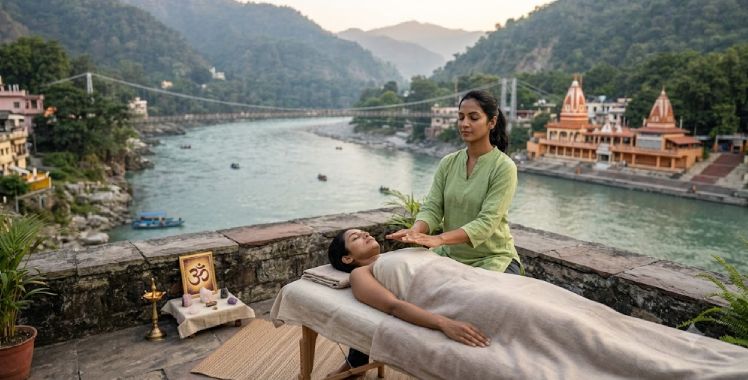
A session is quiet and simple. The recipient lies or sits fully clothed while the practitioner places their hands lightly on, or just above, a series of positions on the body, usually the head, torso, and limbs. There is no massage, manipulation, or medication. A session typically lasts 30 to 60 minutes.
The Foundations of the Practice
The five Reiki principles. Usui's teaching includes five ethical precepts, often paraphrased as: just for today, I will not be angry; I will not worry; I will be grateful; I will work diligently; I will be kind to others. These are central to the practice and are meant to be lived daily, not only during a session.
Attunement. Practitioners are traditionally "attuned" to Reiki by a teacher through a ceremonial process, and training is usually passed on in levels (commonly three).
Intention and presence. Practitioners describe the work as a state of calm, focused attention rather than effort or force. The practitioner is said to act as a conduit, not the source of healing.
Why People Value Reiki
Deep relaxation. Many recipients report that a session feels like a deeply restful pause: slowed breathing, a heavy and warm sensation in the body, sometimes drifting near sleep. In a culture of constant stimulation, that kind of enforced stillness is valuable in itself.
Stress and emotional release. People often turn to Reiki during grief, illness, burnout, or major transitions. The combination of quiet, attentive presence and gentle touch can create a feeling of being cared for, and that feeling is often what people describe as most meaningful.
A complement to other care. Many hospitals and hospices in various countries have offered Reiki as a supportive service, typically for comfort and relaxation rather than as treatment of disease.
A self-practice. Reiki can also be practiced on oneself, with hands placed on the body while breathing slowly. This makes it an accessible way to build a daily habit of pausing and checking in.
Connection to Yoga and Meditation
Reiki shares ground with the yogic practices explored earlier in this series:
- Prāṇa and ki. Both traditions center on a subtle life force that can be balanced through attention and practice.
- Chakras. Some Reiki traditions, especially Western ones, work with the chakra system and place hands at positions that correspond to the energy centers.
- Stilling the mind. Patanjali's definition of yoga, citta-vṛtti-nirodhaḥ, describes a calm mind. Reiki's emphasis on quiet presence and the five principles' focus on releasing anger and worry reflect a similar aim.
What the Evidence Shows
Reiki is a traditional practice, and the scientific picture needs to be stated plainly:
- No evidence for the energy itself. There is no scientific evidence that Reiki transfers a measurable energy that heals disease. Reviews of controlled studies have generally found the research to be low in quality and inconclusive about effects beyond those of a placebo or simple relaxation.
- Benefits are likely real but not exotic. Quiet time, caring touch, an attentive presence, and an expectation of comfort can all reduce stress and improve subjective wellbeing. Many people find this worthwhile, whatever one believes about the underlying mechanism.
- It is not a medical treatment. Reiki should not replace diagnosis or treatment for any condition. Anyone with persistent pain, serious illness, or mental health difficulties should work with qualified healthcare professionals, and Reiki can only sensibly sit alongside that care.
Choosing a Practitioner and Approaching a Session
- Look for transparency. A good practitioner explains what a session involves, does not promise cures, and never discourages medical treatment.
- Be cautious with claims. Anyone claiming Reiki can cure cancer, diabetes, or other serious diseases is overstating what it can do.
- Know your comfort level. Light touch is optional. Sessions can be done hands-off, and you can stop at any time.
Notice how you feel. Many people use a session as a chance to observe their own state, whether calm, emotional, or restless, without judging it.